Every time a Ghanaian buys goods, receives a salary or runs a business, they contribute to the national purse. That contribution is not a gift — it is one half of a bargain. The other half is the government’s duty to spend the money well.
The citizen’s side of the bargain
Citizens are asked to register, declare their income honestly and pay what the law requires. Most Ghanaians want to do the right thing. Willingness to pay, however, depends heavily on trust — trust that taxes are fair, and trust that they will be used for the common good.
The government’s side of the bargain
In return, taxpayers are entitled to expect:
- Fairness — a tax system that is simple, predictable and applies equally to all, without excessive or overlapping levies.
- Transparency — budgets, procurement and project information published in a form citizens can understand.
- Accountability — consequences when public money is misused, and timely action on the findings of audit reports.
- Value for money — roads, schools, hospitals, water and security that reflect what citizens have paid.
Closing the trust gap
When government keeps its side of the bargain, compliance rises naturally and the burden on each taxpayer can fall. When it does not, citizens feel cheated, the tax base shrinks and pressure grows to raise rates on those already paying. Breaking that cycle requires an informed, engaged public — and that is precisely what Taxpayers League Ghana works to build.
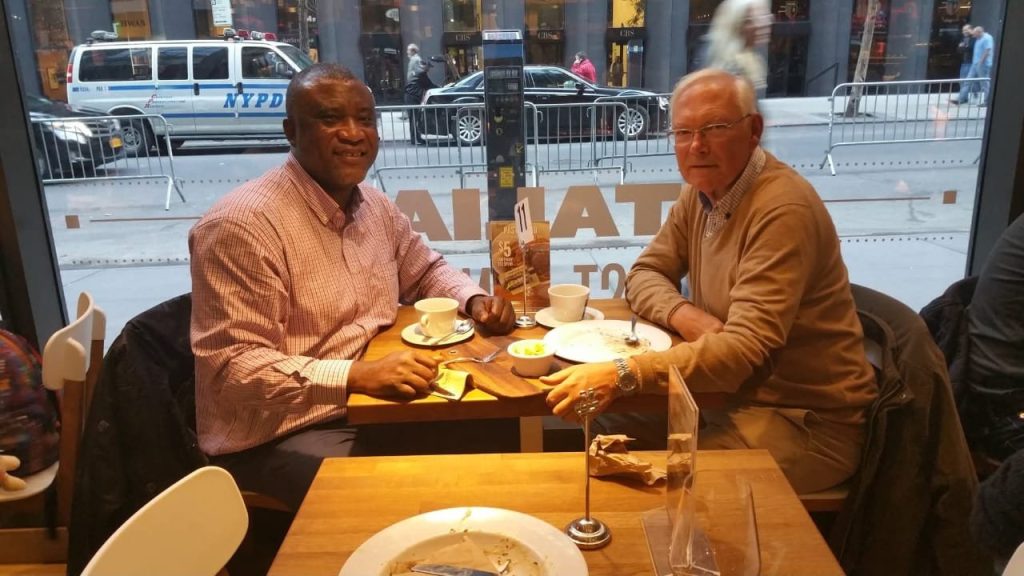
As Hopeson Adorye put it on his election to the World Taxpayers Association Board: “Taxpayers are at the heart of every economy, and they deserve fairness, transparency, accountability and value for the taxes they pay.”